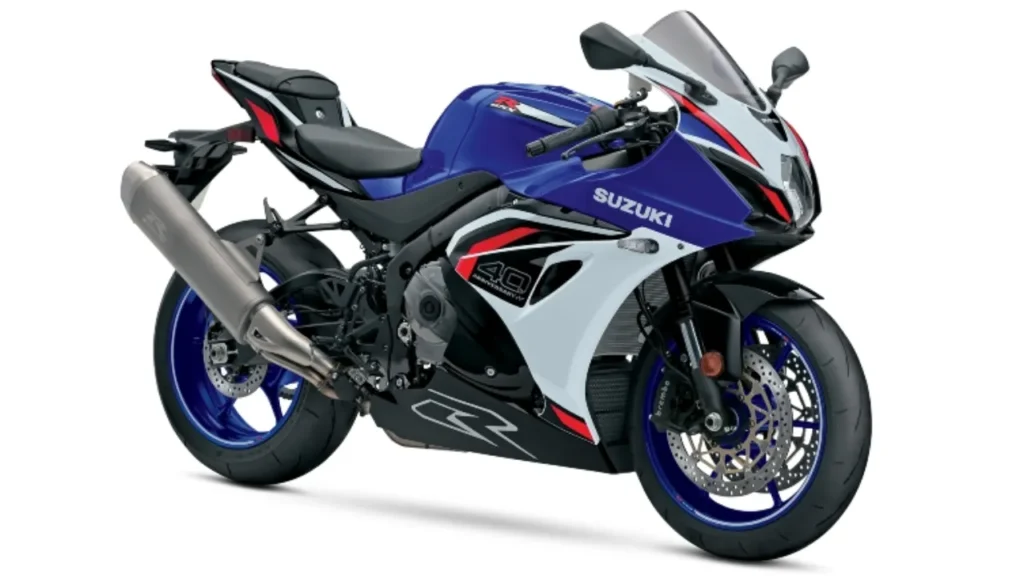
There’s something special about a motorcycle that doesn’t try too hard to impress you. The Suzuki GSX-R1000 has always been that kind of bike—honest, sharp, and built for riders who actually enjoy the feel of a well-balanced machine. And for 2026, Suzuki seems to be playing a smart game: refine what works, add modern tech where it matters, and keep the soul intact.
If you’ve been following the superbike scene, you know the GSX-R name carries serious weight. It’s not the flashiest, nor the most expensive, but it has earned a reputation for being predictable at the limit and surprisingly reliable for a track-focused liter bike. Let’s break down what we expect from the 2026 model, from engine updates to electronics, and whether it’s worth waiting for.
What the 2026 GSX-R1000 Brings to the Table
Since its debut in 2001, the GSX-R1000 has followed a simple recipe: give riders race-level performance without unnecessary complexity. While competitors piled on electronics and gizmos, Suzuki focused on chassis balance and throttle feel.

For 2026, that philosophy isn’t going away. Instead, you’ll likely see careful updates—better aerodynamics, cleaner emissions, and a more rider-friendly electronics suite—without losing the raw, connected experience that loyal fans crave.
Think of it as evolution, not revolution. And honestly? That’s a good thing.
Engine and Performance: More Refined, Still Aggressive
Under the tank, the 2026 Suzuki GSX-R1000 is expected to keep its 999cc inline-four heart. But don’t expect a simple carryover. Suzuki will likely focus on two big challenges: Euro 5+ compliance and keeping the mid-range punch that makes this bike so fun on twisty roads.
Here’s what the rumor mill suggests for power figures:
- Peak power: Around 205 horsepower
- Maximum torque: Approximately 118 Nm
The updated Variable Valve Timing (VVT) system is expected to play a big role. It should smooth out the power delivery, giving you stronger grunt in the mid-range while still letting the engine scream at high revs. Throttle response? Likely sharper than before, but still linear enough to inspire confidence on a damp track day.
Design and Aerodynamics: Small Changes, Big Impact
Let’s be real—the GSX-R has never been about outrageous styling. But the 2026 model will probably turn a few more heads. Expect sharper LED lighting front and rear, a slimmer tail section, and subtle winglet-like elements on the fairings. These aren’t just for show; they help with high-speed stability, especially when you’re braking hard into a corner at 150 mph.
Other likely design touches include:
- Revised air intakes for better cooling and airflow
- Updated racing-inspired paint schemes
- A more aggressive stance without looking overdone
Suzuki seems to understand that form follows function. Every curve and vent probably has a purpose—keeping the bike planted or reducing drag.
Electronics That Help, Not Hinder
One area where the GSX-R1000 has lagged behind European rivals is the dashboard and rider aids. For 2026, that changes. A full-color TFT display is almost certain, with smartphone connectivity for navigation, lap times, and call alerts. Finally, right?
But here’s the thing—Suzuki isn’t going to bury you in menus. The electronic package will likely include:
- Multiple ride modes (Rain, Sport, Track, etc.)
- Adjustable traction control
- Wheelie control (can be turned off for experienced riders)
- Cornering ABS for safer braking while leaned over
- Launch control for those perfect race starts
What matters most is that these aids are intuitive and unobtrusive. You won’t feel like the bike is fighting you. That’s the Suzuki way—keep the rider in charge, but offer a safety net when needed.

2026 Suzuki GSX-R1000: Expected Specs at a Glance
For the numbers-oriented riders out there, here’s a quick snapshot of what we expect from the final production model:
- Engine: 999cc liquid-cooled inline-four with updated VVT
- Power: ~205 hp
- Torque: ~118 Nm
- Frame: Lightweight aluminum twin-spar
- Front suspension: Showa BFF forks (fully adjustable)
- Rear suspension: Fully adjustable monoshock
- Brakes: Dual Brembo front discs with cornering ABS
- Weight: Approximately 202 kg (kerb)
- Display: Full-color TFT with smartphone link
These figures put the GSX-R1000 right in the mix with the Yamaha R1, Honda Fireblade, and Kawasaki ZX-10R. But as any owner will tell you, specs only tell half the story—it’s how they work together that matters.
Why the GSX-R1000 Still Stands Out in 2026
In a segment obsessed with peak horsepower numbers and wings that look like they belong on a fighter jet, the Suzuki GSX-R1000 remains refreshingly down-to-earth. It doesn’t try to overshadow you with intrusive traction control or a learning curve that feels like homework.
Instead, you get predictable handling, a planted chassis, and an engine that responds exactly how you expect. That’s why experienced riders and track-day regulars keep coming back to it. You don’t have to be a professional racer to feel comfortable pushing this bike.
And for 2026, the added electronics won’t take that away—they’ll just make your ride safer and more informed.
Expected Launch Timeline and Availability
When can you actually buy one? Industry insiders point to a global debut in mid-to-late 2025, likely at a major European or Japanese motorcycle show. Sales would then start in early 2026 for most markets.
For countries like India, where superbikes are often imported via CBU (Completely Built Unit) route, expect a delay. A mid-2026 launch is realistic there, depending on homologation and emission approvals. Suzuki might also offer a limited-edition variant with carbon fiber bits or a special livery—so keep an eye out.
Price Expectations: Premium, But Fair
Nobody buys a liter-class superbike on a tight budget. But the GSX-R1000 has always offered strong value compared to European alternatives. Here’s what we anticipate:
- Estimated global price: USD $19,000 – $21,000
- Estimated India price (CBU): ₹22 – ₹25 lakh
These are educated guesses based on current segment pricing and the expected upgrades. The final number will depend on import duties, currency fluctuations, and how Suzuki decides to position the bike against the all-new ZX-10R and updated Panigale V4.
Final Verdict: Should You Wait for the 2026 Model?
If you’re in the market for a ridiculously capable, no-nonsense superbike that lets you grow as a rider without constantly interfering, the 2026 Suzuki GSX-R1000 looks like a winner. It’s not a complete overhaul, but that’s actually the point. Suzuki is refining a proven platform—better aero, modern TFT display, Euro 5+ compliance, and just enough electronics to keep things exciting and safe.
For current GSX-R owners, the jump to 2026 might not feel revolutionary, but the small quality-of-life improvements add up. For everyone else? This could be the most balanced and rider-friendly liter bike in Suzuki’s history.
We’ll know more once the official unveiling happens in late 2025. Until then, keep your eyes on Suzuki’s announcements—and start saving up. This one’s worth the wait.


My name is Saqi, and I am the founder and author of Dego. I am passionate about technology, smartphones, automobiles, and staying updated with current events. Through Dego, I aim to share informative, honest, and easy-to-understand content that helps readers make better decisions.